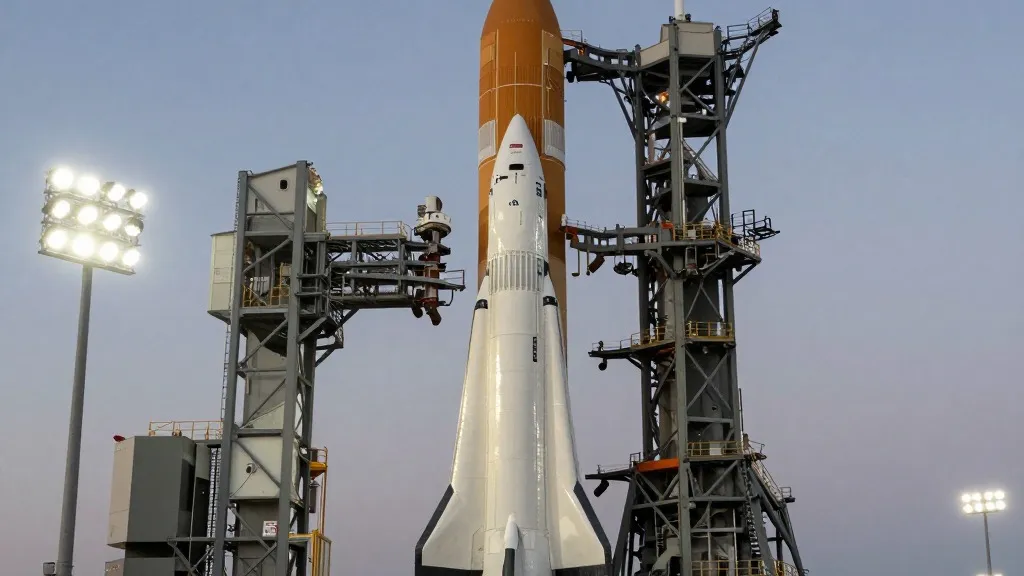
NASA Unveils New Plan for 2028 Moon Landing
NASA has detailed a revised architecture for its Artemis missions, outlining specific launch and docking procedures for commercial landers while targeting an astronaut landing on the Moon in 2028.
By Ahmed Mansour ·
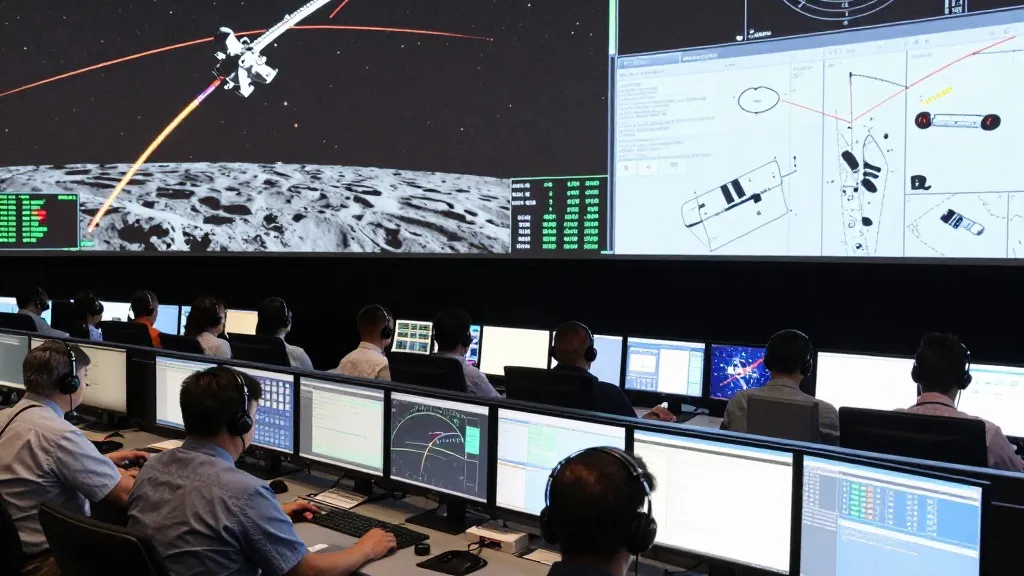
NASA is aiming to put astronauts back on the lunar surface in 2028, according to a detailed mission architecture outlined by the agency on Friday, October 23. The presentation laid out specific plans for how commercial landers will be used and confirmed timelines for the next two Artemis missions, with a demonstration flight targeted for next year.
The central plan involves a significant shift in how the Orion spacecraft interacts with the planned landers. For missions using SpaceX's Starship, the Orion will now dock with the lander in high-Earth orbit before the combined craft begins its journey to the Moon. For missions involving Blue Origin's New Glenn rocket, the plan calls for four separate launches to assemble the mission components, but it will not require any refueling operations between spacecraft. The architecture also allows for the possibility of the Blue Moon lander to meet with Orion in low-lunar orbit.
NASA Administrator Jared Isaacman expressed confidence in the revised timeline and the resources allocated to the program. "This is an achievable path we are on right now," Isaacman stated. "We have the mandate, we have the resources, and the support from our stakeholders to be able to execute, and that's what we intend to do."
The agency reiterated its schedule for the next two missions in the Artemis series. The Artemis III mission, a demonstration flight involving docking procedures near Earth with both the Blue Moon and Starship landers, remains scheduled for the summer of 2027. This will be followed by Artemis IV in 2028, which is the mission planned to carry out an actual landing on the lunar surface.
For SpaceX, the revised plan resolves a long-standing technical hurdle. Engineers with the company had previously requested a change to remove a requirement to dock with the Orion spacecraft in a high lunar orbit. This maneuver presented significant energy and operational challenges for their Starship lander. The issue was resolved earlier in the year when NASA canceled the planned Lunar Gateway station, a component that would have been involved in that docking procedure.
The agency's decision to detail these plans marks a public acknowledgement of substantial modifications to the program's architecture. While details of the revised plans have been reported in the past, this was the first time NASA has officially presented the updated information in a comprehensive format.
While the new path forward has been laid out, significant questions remain about whether the proposed schedule can be maintained. The agency has committed to a demonstration flight next year and a landing the year after, a timeline that is now public and will be closely watched as the required hardware and launch preparations move forward.
NASA has provided a clear, step-by-step plan for its next two lunar missions, outlining the specific roles for both SpaceX and Blue Origin in the effort to return to the Moon. The agency's leadership has affirmed its commitment to this schedule and stated it has the necessary backing to proceed with these ambitious goals for the Artemis Program.
Source: Ars Technica