Albanian Police Deploy Tear Gas to Disperse Thousands in Tirana
Clashes between demonstrators and security forces in the capital resulted in over 300 injuries as protests against the government intensified.
By Ken Adams ·
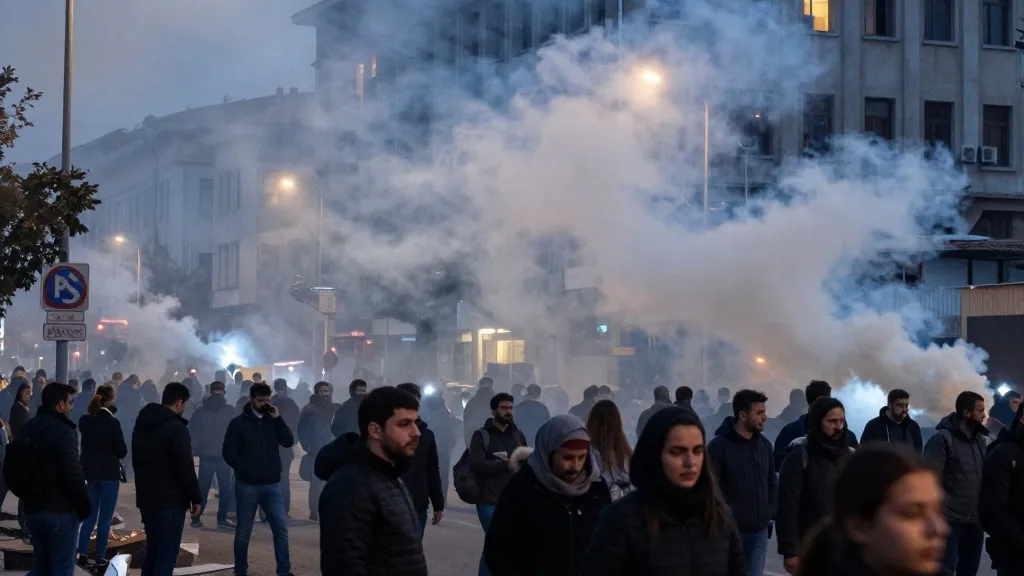
Security forces in Tirana resorted to water cannons, rubber bullets, and tear gas on Saturday to break up a large antigovernment demonstration that had turned violent. The confrontation marked a sharp escalation in a series of disturbances that have plagued the Albanian capital for weeks. According to official figures, the clashes left more than 300 people injured, a count that includes both civilians and police officers. Dozens of demonstrators were also taken into custody during the standoff. The physical toll of the day extended to the built environment, as several government structures suffered damage during the unrest.
The latest flare-up follows a steady drumbeat of public dissent that began in mid-October. The initial spark was a combination of deteriorating conditions in schools and a sharp rise in the cost of living for residents of the small Balkan nation. Since those first gatherings, tensions between crowds and law enforcement have flared repeatedly, creating a cycle of protest and countermeasure that has defined the political landscape of the city.
For a brief period in recent days, it appeared that the situation might be stabilizing. However, organizers successfully mobilized thousands of attendees for Saturday’s event, urging students and citizens from across the country to take to the streets. The turnout signaled that the momentum behind the movement had not faded. Local media outlets noted that police had prepared for the surge by increasing security presence around the capital. Officers conducted checks on vehicles entering the city, suggesting an effort to control the flow of protesters before the main gathering began.
The Ministry of Education emerged as a primary target for the demonstrators, reflecting the core grievances that sparked the latest wave of unrest. As the crowd grew in frustration, participants threw stones at the ministry’s building. In a more dramatic act of protest, groups rolled burning trash bins toward the structure, adding a visual and physical element to their demands for change.
The current protests are part of a broader pattern of antigovernment sentiment that has persisted since May. That month, news broke regarding a luxury hotel project connected to the family of United States President Donald Trump. While that specific issue started the public discourse, the anger has since expanded into a wider campaign against systemic corruption and economic hardship. At the center of the movement is the demand for the resignation of Prime Minister Edi Rama, a member of the Socialist Party.
Prime Minister Rama has responded to the crisis by pointing to external influences. He has blamed foreign actors for fanning the flames of violence and specifically accused Russia and Iran of driving waves of misinformation online. Despite this attribution of blame, the prime minister has also signaled a willingness to engage in dialogue. On Saturday, red cushions were placed outside the government headquarters, a symbolic gesture intended to invite protesters to the negotiating table. The demonstrators, however, did not view the cushions as a sincere offer, and they later set them on fire.
The protest movement has not limited its criticism to the ruling Socialist Party. Many demonstrators argue that the entire political class shares responsibility for the nation's current troubles. This sentiment was visible in the crowd on Saturday, where some protesters carried signs directed at Sali Berisha, the centre-right leader and Rama’s main opposition rival. The presence of these signs suggests that the public frustration is broad and not strictly partisan.
As the smoke clears from Saturday’s clashes, the path forward remains unclear. The government faces the challenge of managing a populace that feels unheard, while the opposition and civil society groups continue to push for structural changes. The next few days will likely determine whether the symbolic gestures of dialogue lead to substantive negotiations or if the cycle of street confrontation continues.
Source: Al Jazeera