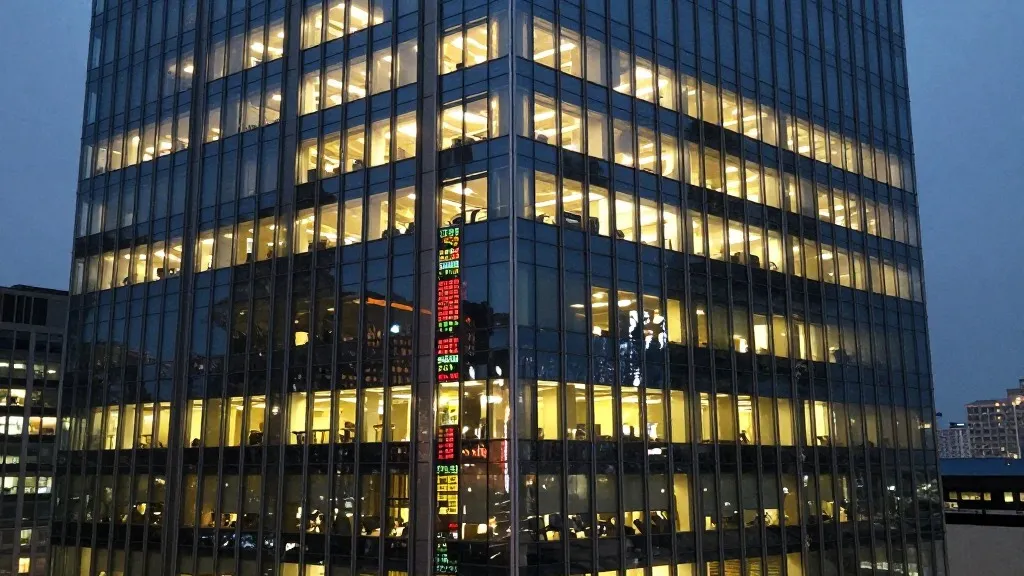
Data Center Reversal: Amazon Dumps Loudoun County AI Plans
Amazon has abandoned its proposal for four new data centers in Northern Virginia, opting instead for mixed-use development and a $5 million housing donation after local opposition mounted.
By Daniela Vargas ·
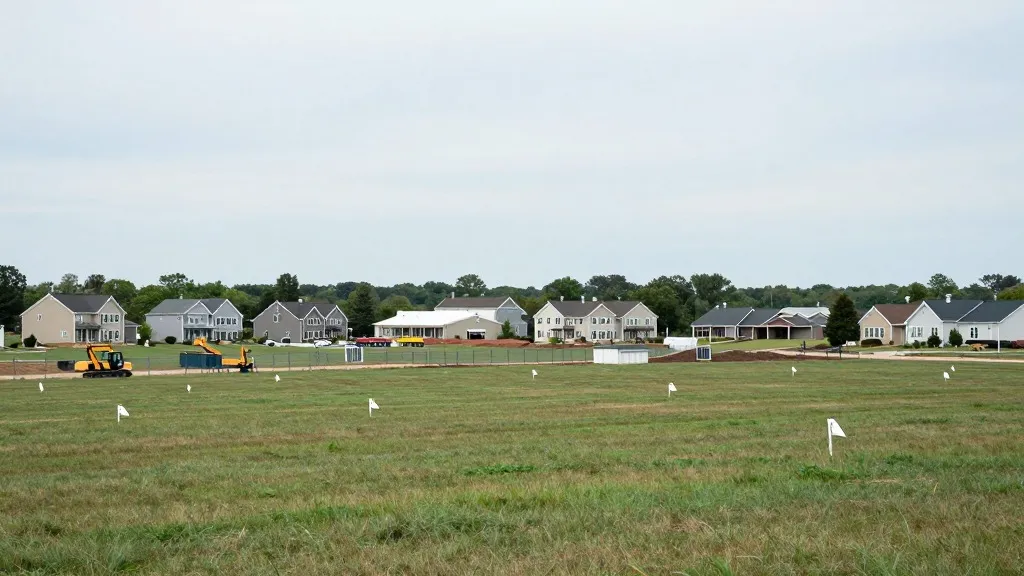
Amazon has officially withdrawn its proposal to construct four new data centers on a 122-acre site in Loudoun County, Virginia, marking a significant shift in the tech giant’s regional expansion strategy. The decision comes after intense local backlash and represents a substantial pivot from the company’s initial plans to add more artificial intelligence infrastructure to the area, which is already known for having the highest concentration of data centers in the world.
The site, formerly part of the George Washington University campus, will now be repurposed primarily for mixed-use and residential development. In addition to the change in land use, Amazon has agreed to donate 25 acres of the property to Loudoun County. This land is designated for the construction of a community arts center and a new recreational facility. The agreement also includes a $5 million contribution to the county’s housing fund, a move aimed at addressing local housing affordability concerns.
This outcome contrasts sharply with the trajectory of the project since its inception. Amazon submitted its original proposal in July 2026, seeking to build the facilities on the former university grounds. However, the plan faced growing resistance from residents who expressed concerns about the noise generated by data centers and the substantial power requirements they impose on the local grid. These worries contributed to a broader shift in how the county approaches new data center buildouts, as officials weigh the benefits of technological growth against the strain on local infrastructure and quality of life.
The impasse was addressed in September when Phyllis J. Randall, Chair of the Loudoun County Board of Supervisors, met with Amazon representatives. During this discussion, the county suggested that the company might be better served by finding an alternative use for the land. Amazon’s Vice President of Data Center Development, Josh Weissman, acknowledged that while the company had initially been eager to purchase the property, they took the county’s specific concerns about development at that particular site seriously. Weissman noted that although Amazon viewed the legal development potential of the property differently than the county, they determined that a shared vision was preferable to engaging in costly litigation.
The decision reflects a broader trend in the region, where the demand for larger data facilities driven by the surge in AI usage is clashing with local community expectations. While the expansion of cloud services and storage has always been necessary, the recent boom in AI has intensified the need for power and space. Local officials have begun taking steps to facilitate data center construction while also managing its impact, including concerns over electricity price spikes, water shortages, and deforestation.
In the days preceding this announcement, President Donald Trump urged data center builders and AI hyperscalers to pay a dividend to local communities in response to energy-related price increases. He further stated that data centers would be required to generate their own electricity and provide or sell excess energy back to the local grid. This federal push adds another layer of complexity to the relationship between tech companies and the municipalities in which they operate.
Loudoun County officials have framed the agreement as a success of negotiation over confrontation. Randall stated that by choosing dialogue over reflexive disagreement, the county and Amazon created an opportunity for the community. She highlighted that the agreement provides new spaces for residents to gather, create, and play. Most importantly, she noted, the deal will help provide more attainable homes for working families in the area.
For readers in the Southeast and across the nation, this development signals a potential turning point in how major tech companies engage with local stakeholders regarding AI infrastructure. As the demand for computational power continues to grow, the balance between rapid technological expansion and local community needs may become a defining issue in urban planning and real estate development in the coming years.
Source: Tom's Hardware