New Energy Dividend Mandate Seeks to Quiet Local Opposition to AI Data Centers
The federal government is introducing a financial framework requiring hyperscalers to distribute energy benefits to nearby residents in an effort to accelerate construction.
By Christopher Reed ·
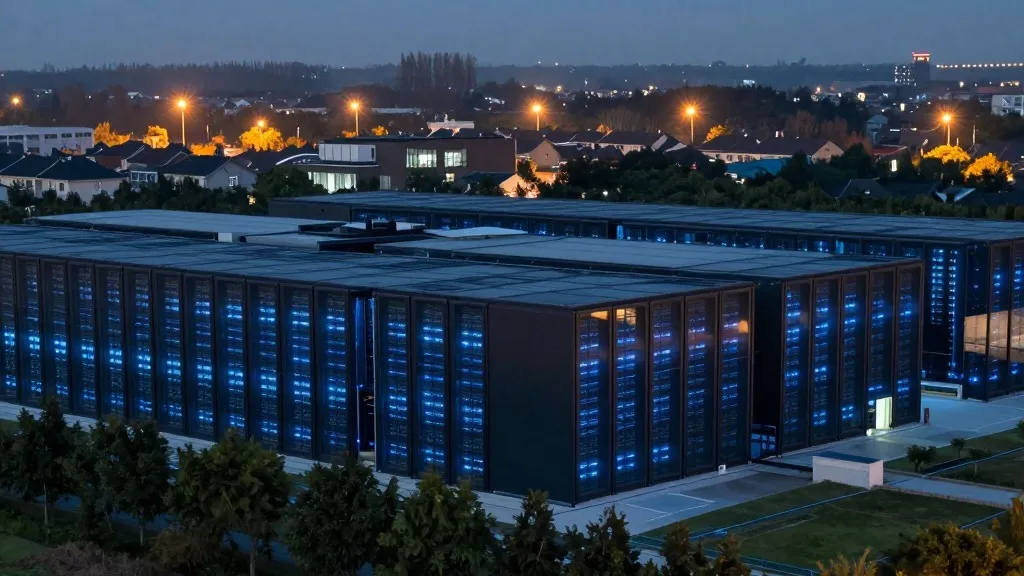
A new federal initiative aims to transform the contentious relationship between artificial intelligence infrastructure and the communities that host it.
In a recent statement on Truth Social, President Donald Trump outlined a directive for data center developers and AI hyperscalers. The proposal suggests that these entities must provide a financial or energy dividend to local populations. The primary objective is to mitigate rising utility prices caused by high power consumption, with the potential to lower costs for nearby households. This move follows previous administration orders requiring these facilities to generate their own electricity rather than relying solely on the public grid.
The administration is positioning this requirement as a mechanism to offset the burden of grid upgrades. A recently passed act already mandates that data centers cover the costs of necessary infrastructure improvements, ensuring that local taxpayers are not directly responsible for these expenses. By forcing the distribution of excess energy or financial compensation, the policy seeks to address the immediate economic strain placed on neighborhoods adjacent to these massive facilities.
Local opposition to AI data centers has intensified across the United States in recent months. Residents in small towns and suburban areas have organized protests citing significant environmental and logistical concerns. Common grievances include increased electricity bills, persistent noise pollution, and strain on local water resources. Additionally, communities have pointed to air quality issues and deforestation as direct consequences of the rapid expansion of these sites.
The White House views this strategy as a critical component of the broader competition with China in the artificial intelligence sector. By making data centers more financially attractive to local stakeholders, the administration hopes to secure the necessary land and regulatory approvals for new builds. The underlying theory is that a tangible financial benefit will outweigh the existing annoyances, thereby smoothing the path for new construction projects.
President Trump emphasized the practical benefits of these negotiations in his post, noting that previously unpopular data center sites have gained approval once a financial agreement was reached. He urged industry leaders to finalize these deals to ensure the rapid deployment of infrastructure. The President concluded his message with a direct call to action, stating, “MAKE DEALS, and get them built!!!”
Despite the administration's confidence, the effectiveness of this dividend model remains uncertain. While financial compensation may address utility costs, it does not resolve other significant challenges. Issues such as massive water consumption, ecological impact, and long-term pollution remain major hurdles for developers seeking community buy-in. The economic aspect is only one facet of a complex local controversy.
The policy also raises questions regarding the timing of these benefits. Many new data center projects are not yet profitable, and the infrastructure required to generate their own power is often in the early stages of deployment. Critics argue that the term “dividend” implies a payout from profits that may not exist in the short term. Furthermore, the current reliance on temporary power sources means that the environmental trade-offs may still be present, even if the financial burden is shared.
Ultimately, the success of this mandate will depend on how strictly it is enforced and whether the financial terms offered are sufficient to satisfy skeptical residents. For the Southeast and other regions considering new AI hubs, the coming months will test whether a shared energy model can bridge the gap between technological ambition and local acceptance.
Source: Tom's Hardware