220 Minors Detained: Italy Prepares for New Wave of Street Unrest
Italian authorities are deploying additional security forces to eight cities as a new round of protests begins following a weekend that saw a majority of the 271 arrested individuals under the age of eighteen.
By Ji-eun Choi ·
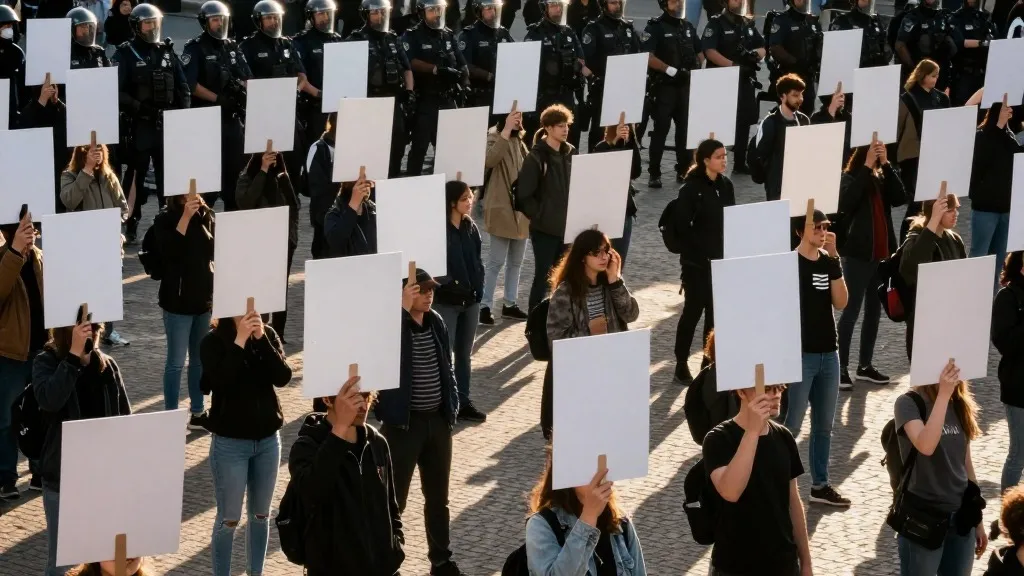
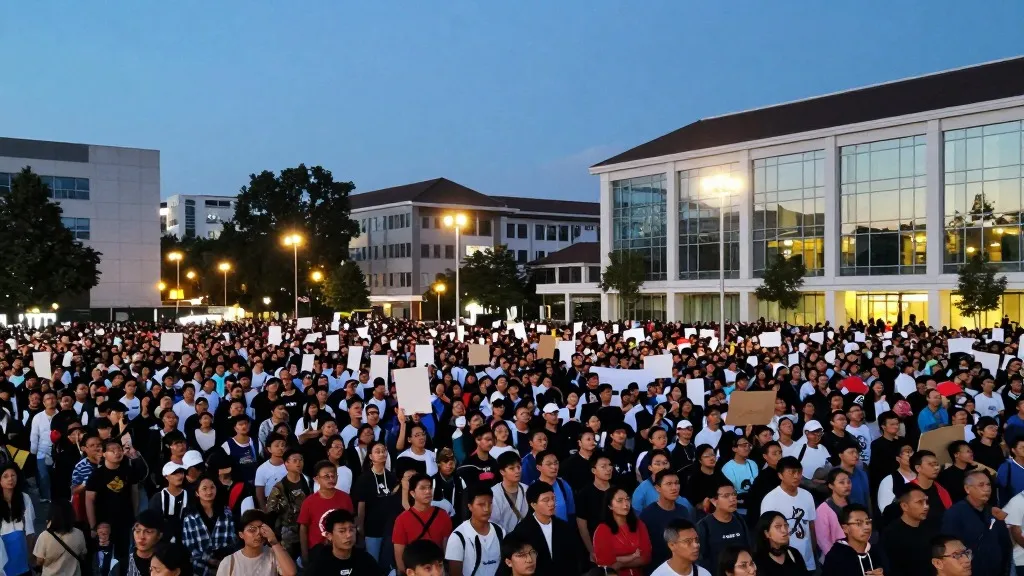
A staggering 220 of the 271 people detained in Milan last Sunday were minors, a figure that has sharpened the national debate over youth participation in the recent unrest. This statistic highlights the generational divide at the heart of the conflict, as a new wave of demonstrations begins across eight Italian cities on Saturday. The protests are directed against Prime Minister Giorgia Meloni's right-wing government and the escalating cost of living. This latest round of action follows a turbulent week in which a demonstration in Milan turned into clashes with police and widespread looting.
The upcoming demonstrations were organized by a newly formed entity known as the October 17 Movement. This group is working alongside student federations, grassroots trade unions, and antiwar coalitions to drive the protests. On social media, the group expressed deep distrust of the current administration, describing it as authoritarian. They argued that those denying the future of young people were acting with genuine violence. The organizers have kept the specific locations of the Saturday protests secret until the last minute, with three meeting points expected to be announced on their social media accounts later in the day.
In response to the previous weekend's disorder, the government has introduced new security protocols. These measures include the deployment of 500 soldiers to Milan, the country's financial hub. Police conducted raids and searches in several cities on Friday to target individuals suspected of looting and rioting. According to the news agency Adnkronos, officers carried out an additional 150 raids in the Lombardy region on Saturday morning. This intensified law enforcement presence is designed to preempt further incidents in the northern regions where much of the unrest has been concentrated.
The October 17 Movement has emphasized the importance of maintaining a peaceful demeanor on the streets. In a statement on its Telegram channel, the group noted that many participants intended to express their dissent without conflict. One participant, identified as E, warned the group on Thursday that they must remain peaceful to avoid giving police an excuse to charge. Another member, identified as Q, stated that there was no real distinction between violent and peaceful protesters, asserting that it was simply about unity. This strategy aims to present a united front while minimizing opportunities for law enforcement to intervene aggressively.
Police have identified and are questioning the administrator of the movement's Instagram page. The individual is a 30-year-old Italian-Moroccan freelance journalist and researcher. According to the daily Corriere della Sera, he is under investigation on the suspicion of inciting crimes. This development adds a layer of legal scrutiny to the organizational side of the protests, as authorities seek to understand how the demonstrations were planned and communicated to the public. The questioning of the administrator reflects the government's effort to hold organizers accountable for the outcomes of the street actions.
The large number of young detainees has prompted legal experts to examine the motivations of the participants. Lawyer Michele D'Agostino, who is defending two demonstrators aged 21 and 15, noted that the younger one did not fully understand the reasons behind the protest. D'Agostino said the teenager had seen the event on TikTok and decided to check it out with a friend. Although the minor was not among the looters, the lawyer argued that the teenager did not grasp the seriousness of the situation. This case illustrates how social media has played a significant role in mobilizing younger citizens who may not have been deeply involved in political planning.
The Corriere della Sera reported that some of the young people arrested were added to a Telegram group unexpectedly. One of them claimed that the organizers told them they would raise chaos and that participants could take a lot of goods. This suggests that the initial call to action may have been more informal and less structured than the organizers intended. The public prosecutor has blamed social media for misleading young people into what he described as insurrectional acts. This perspective has gained traction in political circles as a potential explanation for the rapid escalation of the Milan protests.
Justice Minister Carlo Nordio addressed the issue of youth detention facilities during an appearance on Sky TG24. He stated that the country needs to expand the capacity of these facilities in response to the mass arrests of minors. This comment underscores the logistical challenges faced by the justice system in handling a large cohort of young detainees. The minister's remarks indicate that the government is considering long-term infrastructure changes to accommodate the demographic trends observed in the recent unrest. This move is part of a broader strategy to manage the legal aftermath of the protests.
Separate from the urban protests, truck drivers in southern Italy have set up roadblocks in several regions to protest soaring fuel prices. These actions have left many markets without supplies for days, adding to the economic pressure felt across the country. In an effort to ease this pressure, the government granted tax breaks and created a special fund for farmers and fishermen on Thursday. This response to the transport sector's grievances runs parallel to the urban demonstrations, highlighting the wide range of economic issues driving public dissatisfaction with the current government.
As Saturday arrives, the focus will shift to the eight cities where the October 17 Movement has planned its demonstrations. The secrecy surrounding the locations and the heavy police presence suggest that authorities are preparing for a significant turnout. The coming days will likely see further legal actions against those detained in Milan, as well as continued public debate over the role of social media in organizing protests. The interplay between the government's security measures and the movement's calls for peace will determine the trajectory of this new phase in the Italian political landscape.
Source: Al Jazeera