Thousands Protest in Tel Aviv as Election Looms in Three Days
Demonstrators demand an independent investigation into the 2023 security failures in a tight race between Netanyahu and Eisenkot.
By Dmitri Sokolov ·
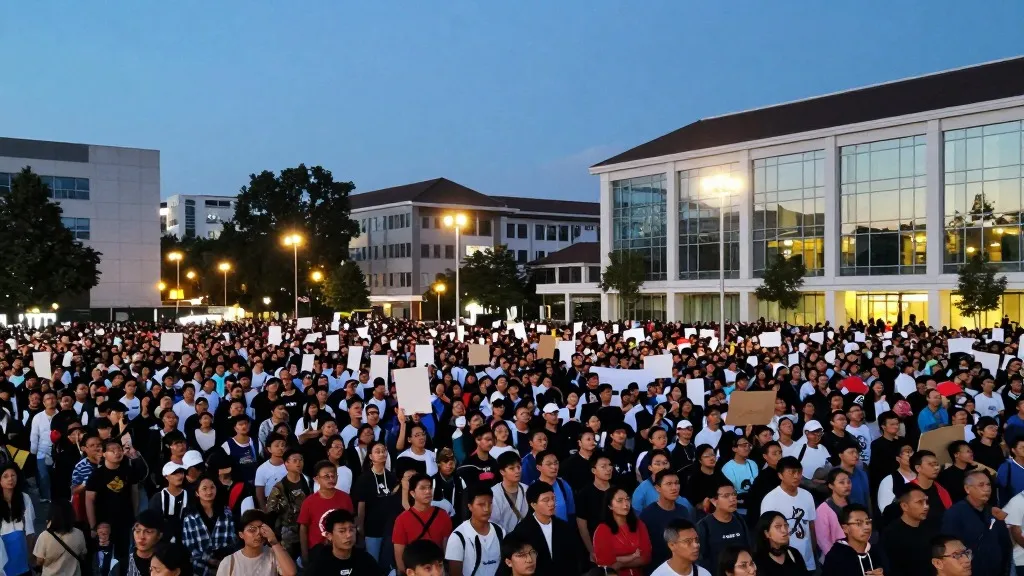
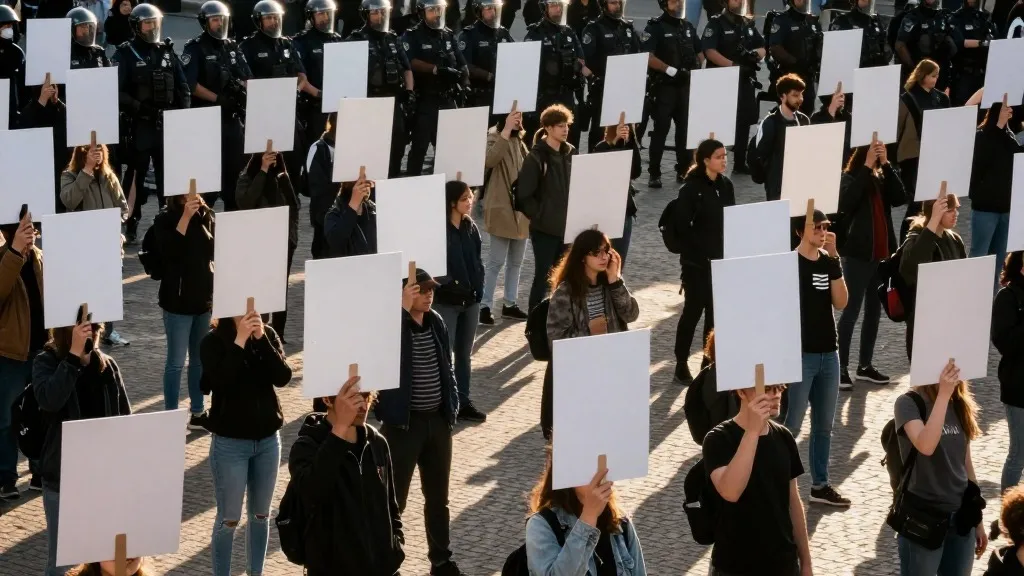
Three days before Israel holds its first general election since the war in Gaza began, thousands of citizens took to the streets to demand answers. The most striking figure from the event is the sheer number of demonstrators who gathered in Tel Aviv on Saturday. They converged on the public plaza known as Hostages Square, a site that has become a focal point for the nation's grief and political frustration. The crowd was not just large, but vocal, chanting for change as the country prepares to vote on Tuesday.
The rally was organized by the October Council, a group established by the families of the captives taken to Gaza three years ago. Their primary goal is to hold the government accountable for the security failures that allowed the Hamas attack on October 7, 2023. The group is pushing for an independent state commission of inquiry to uncover the truth. They view this moment as the culmination of a three-year struggle for justice and accountability, especially with the election just around the corner.
In a statement posted on social media ahead of the event, the October Council declared that they would mark the three-year anniversary of the struggle by demanding accountability. The group emphasized the urgency of the moment, noting that the election is imminent. They are insisting on a commission that is truly independent, rather than one influenced by political appointments. This stance has been a central point of contention between the protesting families and the current leadership.
The protest was not limited to Tel Aviv. Other demonstrations took place across Israel, with leading opposition figures participating in various locations. Gadi Eisenkot, the leader of the Yashar party and Prime Minister Benjamin Netanyahu's main centre-right rival, was a prominent presence. In Tel Aviv, he was greeted by crowds chanting that he is the next prime minister. His presence signaled a unified front among opposition leaders who are challenging the incumbent government.
Yair Golan, the leader of the Democrats, also attended the rally. The energy in the city was described by lawyer Dan Adin, who posted about the massive crowds flowing from Rabin Square to Hostages Square. He noted the immense energy of the march, declaring that this moment belongs to the people. The scale of the turnout suggests a significant surge of anti-government sentiment ahead of the vote.
The upcoming election is expected to be a tight race. Polls indicate that Netanyahu's right-wing bloc, which has been in power since late 2022, is running neck and neck with Eisenkot's coalition. Neither side is currently projected to secure a majority of seats in parliament. This stalemate creates uncertainty and raises the stakes for voters who are deciding between continuity and change. The outcome will likely determine the direction of the government for years to come.
The result of the vote could also have significant implications for foreign policy, particularly regarding military actions against Iran. Eisenkot is believed to be less inclined to resume strikes on Tehran if he becomes prime minister. However, on most other foreign policy issues, such as opposition to an independent Palestinian state, the leading parties remain largely united. This shared stance suggests that while leadership may change, the core diplomatic positions might not shift dramatically.
Tensions were high ahead of the protest, with the October Council warning law enforcement about potential provocations. The group sent an urgent letter to the Police Commissioner after receiving alerts about attempts by entities linked to the coalition to disrupt the rally. They expressed concern about pro-government agitators who might try to cause trouble. This pre-emptive communication highlighted the fragile political atmosphere surrounding the event.
The core disagreement remains over the structure of the investigation. The October Council wants an independent body to investigate the officials deemed responsible for the attacks. Netanyahu's coalition has refused this demand, instead proposing a political commission. In their model, half the members would be appointed by the government and the rest by opposition legislators. Opposition leaders have said they would boycott such a commission, arguing that it would be too influenced by politics to deliver true justice.
Source: Al Jazeera